
Introduction: This report is aimed at businesses and developers who need to deploy cloud servers in South Korea. It focuses on purchase channels, factors affecting prices, bandwidth selection, and methods for comparing after-sales services, to help make objective decisions and manage risks.
Comparison of Purchase Channels: Local operators and international cloud service providers
There are usually two types of channels to purchase cloud servers in South Korea: Local service providers and international cloud platforms. Local manufacturers have advantages in domestic networks and localized support, while international platforms have advantages in ecosystems, global distribution, and pricing transparency. The choice should be made by balancing business objectives with budget constraints.
Factors Affecting Price: Instances, Bandwidth, and Network Costs
The total cost of a cloud server consists of compute instances, storage, bandwidth, and additional services. Instance specifications (CPU, memory), disk type, and IO performance directly affect the base cost ; Bandwidth and traffic billing are often significant sources of long-term costs, and need to be evaluated in conjunction with business traffic models.
Billing mode: On-demand, monthly subscription, and reserved instances
Common billing models include pay-as-you-go, monthly subscription, and reserved instances. Flexible on demand but potentially costly ; Monthly subscription is suitable for stable, long-term loads ; Reserved and contract discounts apply to scenarios with predictable capacity. When comparing, pay attention to discount terms and change restrictions.
Bandwidth Specifications and Billing Details
Bandwidth billing can be based on peak bandwidth, on traffic volume, or a combination of both. It is also necessary to pay attention to whether it includes free bandwidth allowance, peak throttling policies, handling of bursty traffic, and cross-datacenter traffic billing. Clarifying the billing criteria can effectively avoid billing surprises.
Network and latency: Node Location and Interconnection Selection
The locations of data centers within South Korea, as well as the layout of backbone interconnections and CDN nodes, directly affect access latency and reliability. For applications with high real-time requirements, priority should be given to checking the network path, the interconnection status of backbone providers, and whether options such as dedicated lines or elastic public IPs are available.
Key differences between after-sales service and SLAs
When evaluating after-sales service, pay attention to the Service Level Agreement (SLA), failure response time, availability commitments, and compensation mechanisms. It should also be verified whether localized Chinese or Korean support is provided, as well as 7x24 technical support and the scope of on-site support and remote operation services.
Technical Support Response and Upgrade Process
The response speed of technical support, ticket priority, and escalation paths affect the efficiency of fault recovery. Before making a purchase, ask about the average response time, support channels (phone, ticketing, online chat), and whether there are local engineers on site or partners available.
Comparison of Operations and Backup Options
When comparing operations and maintenance services, attention should be paid to snapshots, offsite backups, automated operations tools, and monitoring and alerting capabilities. Third-party hosting or managed operations services can provide support for teams lacking operational capabilities, but it is important to ensure that the scope of services aligns with the SLAs.
Compliance and Data Residency Requirements
Operating in South Korea requires compliance with local data protection regulations and industry compliance requirements. When choosing a cloud service provider, verify the physical location of the data centers, data sovereignty policies, encryption and logging policies, as well as whether compliance certifications and audit support are available.
How to conduct a comparative assessment of prices and bandwidth
When making comparisons, it is recommended to first standardize the baseline configuration (CPU, memory, disk, and bandwidth), use the same traffic model to simulate monthly traffic, and then compare the total cost of ownership (TCO). At the same time, suppliers are required to provide detailed billing details and sample invoices for accounting purposes.
Procurement Recommendations and Key Risk Control Points
It is recommended to try it out first or launch it on a small scale to verify performance and network performance ; Clarify the change process, termination terms, and data migration support at the time of signing the contract. For long-term contracts, it is necessary to evaluate discount terms and business flexibility, and prepare flexible plans to handle sudden increases in traffic.
Summary of Recommendations: When choosing to purchase a cloud server in South Korea, one should consider the price structure, bandwidth pricing, network latency, and after-sales support comprehensively. By using unified baseline comparisons, trial verifications, and clear contract terms, it is possible to reduce costs and operational risks while ensuring performance.
- Latest articles
- Guide for Casual Players: Free Websites on the Japanese Server with Real People – How to Set Up and Maintain Live Streaming Rooms
- Deployment Process: Detailed Steps for Setting Up v2ray on Alibaba Cloud’s Japanese Servers from Purchase to Configuration
- Cost Control: Practical Analysis of Bandwidth and Billing Models for Native Japanese IP Lines
- Cost Estimation and Migration Strategy for Hong Kong CN2 Cloud Servers During the Latest Promotion Period
- Comparative review: Appreciating images of luxury aircraft cabins in Thailand and visual differences among properties at the same price range
- Hong Kong Server Cluster Forum New User Guide and Common Questions Summary
- How to Use U.S. East Cloud Servers to Improve Access Speed for North American Users
- Performance Optimization Case: Tuning Practices for Vietnamese CN2 Servers in High-Concurrency Scenarios
- Popular tags
-
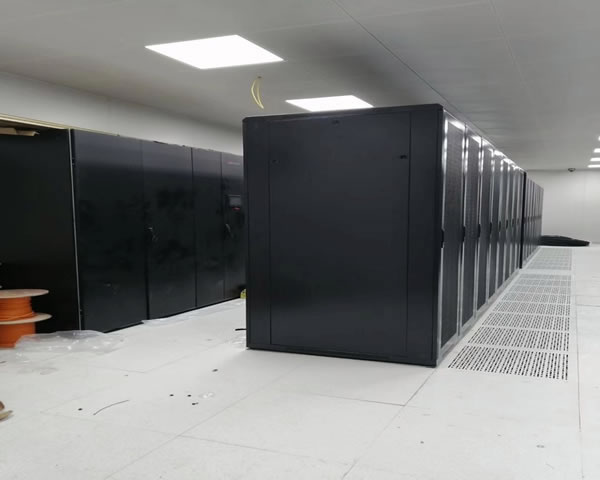
recommended best places to buy cloud servers in korea to help you save worry
this article recommends the best places to buy korean cloud servers to help users easily choose a suitable service provider. -

comparison of hong kong and korean vps, which one is more suitable for you?
this article will compare hong kong and korean vps to help users choose a vps service that is more suitable for them. -
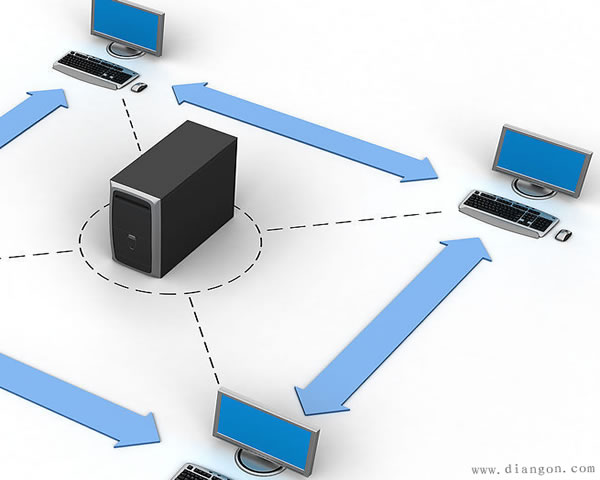
analysis of price advantages and payment methods of korean monthly vps
this article analyzes the price advantages and various payment methods of korean monthly vps to help users choose the appropriate vps service.